How Our Highway Crash Lawyers Help in Fort Worth
We untangle multi-vehicle wrecks and make sure every responsible party is part of the claim. On a highway, the driver who hit you last is not always the one who caused the crash.
When you hire us, we:
- Collect the crash report, witness names, and any TxDOT camera or dashcam footage
- Map the sequence of impacts to assign fault among drivers
- Check for a commercial truck, company vehicle, or work-zone contractor involved
- Handle every insurance adjuster so you do not have to
- Try the case if a fair settlement is not offered
Why Highway Crashes Happen Around Fort Worth
Fort Worth’s freeways, including I-35W, I-30, Loop 820, US 287, and Chisholm Trail Parkway, carry heavy commuter and freight traffic. The most common causes of highway wrecks are:
- Speeding and sudden slowdowns
- Following too closely, which violates Transportation Code §545.062
- Unsafe lane changes and merging
- Distracted or impaired driving
- Tired truck drivers and overloaded or poorly secured cargo
- Construction zones with shifting lanes
How Fault Works in a Multi-Vehicle Highway Crash
Texas divides fault by percentage among everyone who contributed. Under chapter 33, your recovery is reduced by your own share and barred only if you are more than 50% at fault.
That rule means insurers often try to push some blame onto you, for example by claiming you changed lanes or braked too hard. Video, vehicle data, and the physical damage pattern help show what really happened. Read more in who is at fault for a car accident.
Injuries and Damages After a Highway Wreck
Higher speeds mean more force, so highway crashes cause a large share of serious injuries: brain injuries, spinal damage, broken bones, burns, and internal injuries. A claim can include medical care now and in the future, lost income and earning capacity, pain and mental anguish, and property damage.
Your personal injury protection (PIP) coverage may pay early medical bills while fault is sorted out, unless you rejected it in writing.
What to Do After a Highway Crash
Stay safe first. Move out of traffic if you can, turn on hazard lights, and call 911. Then photograph the scene, get witness contacts, see a doctor promptly, and keep your statements to insurers brief until you have legal advice. The deadline to sue is generally two years.
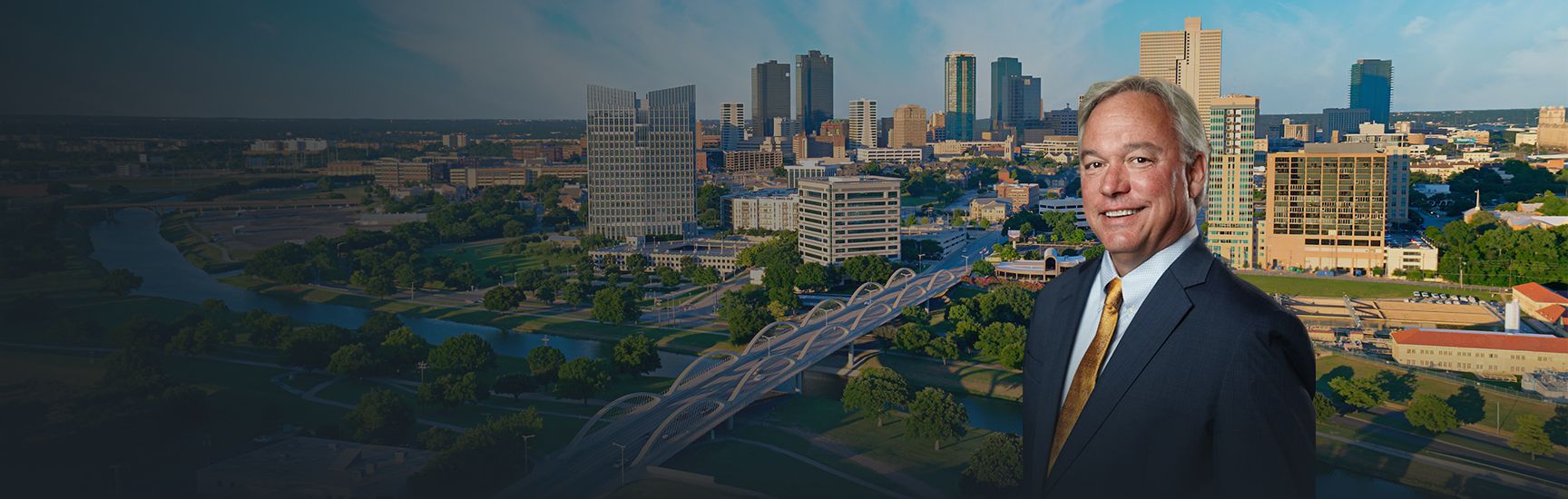
About Brad Parker
Fort Worth Highway Crash FAQs
Who pays when several cars are involved in a highway pileup?
Each driver who contributed pays according to their share of fault. Texas assigns percentages to every responsible party under Civil Practice and Remedies Code chapter 33. Sorting this out takes the crash report, witness accounts, video, and often a reconstruction of the sequence of impacts.
Can a construction company be responsible for a highway crash?
Yes, if poor signage, abrupt lane shifts, debris, or unsafe barriers in a work zone helped cause the wreck. Claims involving TxDOT itself fall under the Texas Tort Claims Act, which has limits and short notice deadlines, so prompt legal review is important.
Should I accept the first offer after a highway crash?
Usually not before you know the full extent of your injuries. Early offers often come before doctors know whether you need surgery or long-term care. Once you settle, you cannot reopen the claim.
How much does a Fort Worth highway crash lawyer cost?
Our highway crash cases are handled on a contingency fee. You pay nothing upfront and owe no attorney's fees unless we recover money for you. Our fee will never exceed your recovery, and we spell out the exact terms in writing before we begin.
Visit Our Fort Worth Office
Parker Law Firm Injury Lawyers – Fort Worth Office
209 N Hampton St, Fort Worth, TX 76102
- Monday – Friday 8:00 am – 5:00 pm
- Saturday – Sunday Closed